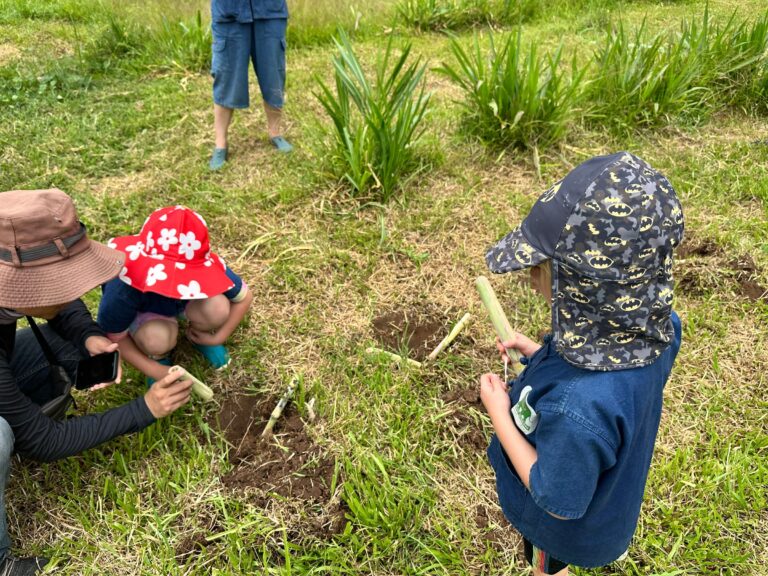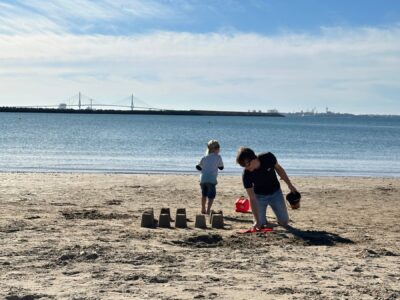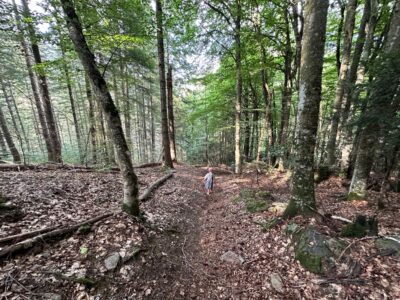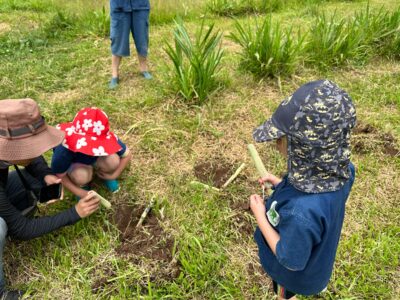
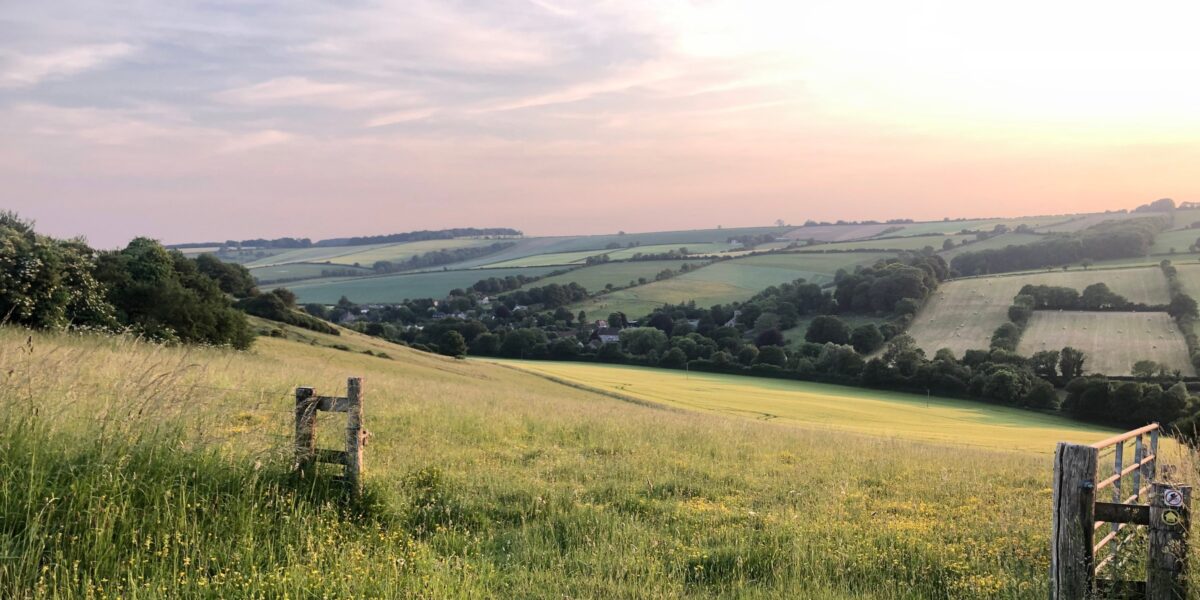

In January 2024, we decided to exit the conventional school system in the UK and give home education (or homeschooling, as it’s known elsewhere) a try. This was a monumental time for us as a family and something that has since required continual adjustments. It has been a bumpy road, but one I will never regret having walked.
What we did not know at the time was that it would set us on a path that would redefine everything we thought we knew. Not just in terms of education, but also our conditioning within society and the sleepwalking we had been doing through life. It was a big moment for the kids, but also for us as parents. We did not know where the journey would take us. We just knew we had found ourselves in a situation that no longer fitted with our values. We needed to get out.
The Picture-Perfect Life That Wasn’t
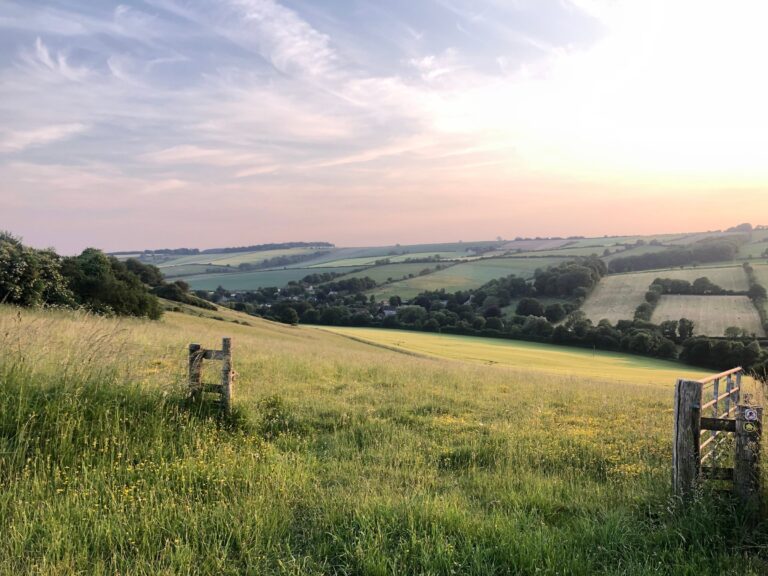
We had been living a very conventional life up until that point. We were living in a rural village in the county of Dorset, England, with our kids attending the local village school. It was quaint, with no more than 80 children and a small team of teaching staff. Our youngest was in the preschool two days per week at age three, whilst our oldest was there full-time at age six (children over the age of five years must legally attend school full-time in the UK).
Jimmy was running his IT business and co-working office space. I balanced my chronic health issues with looking after the kids, managing the home, and supporting Jimmy with the business. We had moved to our “forever home” in September 2019 whilst I was six months pregnant with our youngest. This was our third house, a sizeable project in terms of what needed maintaining, the plans we had for its development, and the half-acre plot it sat on which needed managing.
From the outside, we were fulfilling society’s measures of success: two healthy children, the “forever” house (even if it needed a lot of work), the idyllic English country setting, two cars, Instagram-worthy holidays, and a functioning family-owned business that was maintaining our lifestyle.
We just knew we had found ourselves in a situation that no longer fitted with our values.
When the Cracks Started Showing
Beneath this facade, however, the foundations were cracking open. We had upsized our house and mortgage significantly at a point in time when we believed two income-generating parents was still a reality for us. We were driven to provide the kids with everything we had enjoyed growing up, everything we thought they needed.
However, multiple pregnancies in a short period of time, emergency surgery as a result of an ectopic pregnancy, disciplinary action from work in the NHS because of time taken off sick with pregnancy-induced migraines, and all of the pressures that go with raising small children had left my body suffering. Trapped in a continual state of adrenaline-fuelled fight-or-flight, like a rabbit in the headlights, the migraines that I had experienced since childhood became chronic.
I found myself at home during Covid with a newborn and a three-year-old, reeling from a rapid work exit in an attempt at self-preservation, with health that was rapidly deteriorating. All the while, Jimmy was feeling the strain to keep the business moving forward to maintain our lifestyle during a period of unprecedented financial uncertainty.
The message from all around us, however, was to keep moving forward. The GPs and the neurologists continued to prescribe drug after drug, underestimating the burden of lost hope when they failed, plus the addition of side effects to an already lengthy list of symptoms. They were no more able to help me than our family or friends around us. I needed encouragement to see that the balance in my life—our lives—needed seriously re-addressing in order to get on top of my health.
Our community was swallowed up by anxiety and fear following the days of Covid, and everyone was feeling increasing financial strain. We internalised the feeling that everyone is struggling, that life as young parents is meant to be stressful, so we must continue as we are. And that is what we did. We worked harder on the business, poured more time and money into the house, and spent money on increasingly desperate health solutions for me, whilst trying to conserve some energy for the kids to compensate for the other ways we felt we were failing them. When it all got too much, we would stick our heads in the sand and escape on holiday.
We fought to keep a lid on the pressure pot. We wanted the kids to experience an idyllic childhood, not wanting our wider concerns to affect them. We tried to find nourishment and meaning in baby and toddler groups, after-school clubs, play dates, and walks out in the countryside, whenever we weren’t working or home renovating. We spent time with family and friends that lived nearby, and I used my interest in both cooking and nutrition to teach the kids how to eat well. In snippets of downtime, I would educate myself about my condition and experiment with different health and wellbeing hacks in an attempt to help myself, for the sake of Jimmy and the kids. We got by. There were many moments of joy, but below the surface I felt like I was suffocating.
There were many moments of joy, but below the surface I felt like I was suffocating.
The Moment Everything Changed
The crack became an irreparable fissure the moment it was clear to us that our children were having a difficult time. It was becoming increasingly apparent that our daughter was struggling with the demands of school life. She was in school year two, at the age of six, four years into her schooling career if you count the time she also spent in preschool.
On the surface, she appeared like a girl who was excelling at school, if the sole measure is that of academic achievement. She was above average with her reading, spelling ability, and general comprehension, and was at the expected level in all other subjects. However, below the surface, her radar was continuously on high alert.
She often said she did not want to go to school and would get upset on the journey there, clinging to me when saying goodbye. Well-meaning teachers would take her from me in tears, stating this was “perfectly normal” and it would get better. We tried to find ways to make the separation easier for her, desperate to make her feel better. We were continually reassured by teachers that she quickly calmed down and was “happy and smiley” when in school. We were given no alternatives, no other options, and it was made clear from a legal standpoint we could not just keep her at home on the days she did not want to go in.
So we persevered, feeling helpless and unaware of what else we could do, and were shamed into believing this was in the best interests of our child because she needed this specific kind of education.
Reading the Signs at Home
At home, however, it was increasingly obvious to us that she was not a relaxed and happy version of herself. She would often wake up with stomach aches, not wanting to eat her breakfast, and then come home after school with headaches. She would complain that the class was too noisy for her and distracting, and she often found it hard to concentrate.
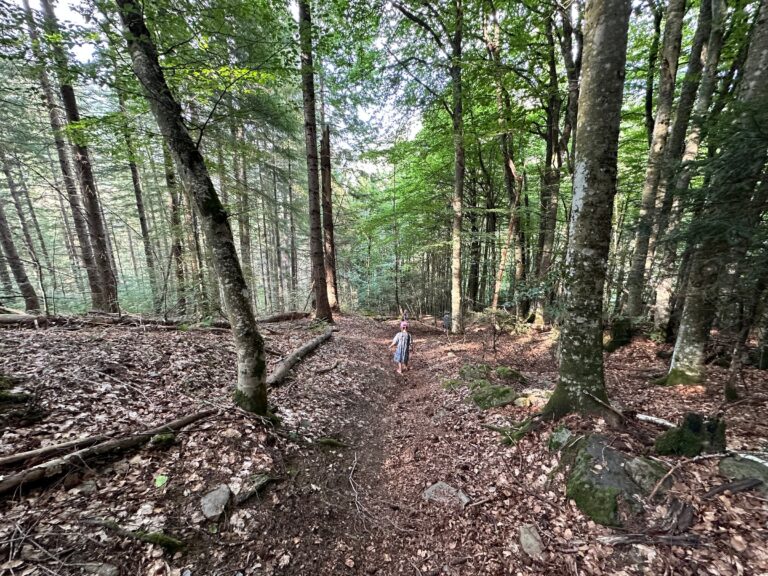
She started to experience vivid and disturbing nightmares, often crying upon waking. The outside world became frightening to her. Even walks in the woods left her clinging to our sides because of noises in the trees, and separation anxiety became an issue if anyone but me took her anywhere outside of school. Her mood would become increasingly irritable and anxious, with constant worries filling her thoughts during term-time. But we noticed that during an extended break from school, the anxiety would slowly dissipate and we would get our funny and happy daughter back again.
There was a concern in the back of my head that her anxiety was due to living with me suffering with a chronic illness. As much as we had tried to limit the kids’ exposure as best we could and explain to them what was happening, we did not know what messages they were absorbing. Our son was very little, but our daughter had lived through our grief following a miscarriage at 12 weeks, then visiting me in hospital after emergency surgery as a two-year-old.
She had also lived for six years with me suffering repeated migraines, which often required me to retreat to a dark room to deal with the loss of speech, loss of memory, loss of sight, and intense pain and numbness. I was carrying so much guilt as a mother that I was not able to be the person that I wanted to be for them both. I was well aware, from all of the psychology I had learned to aid my own recovery, that there was a very real chance that her symptoms were a response to our family situation rather than to school.
But the drugs didn’t work, the doctors were unable to offer solutions, and no support network for chronic migraine patients existed in Dorset. I was a burden on the family, and as desperate as I was to get better, I didn’t know how. There seemed to be nowhere to turn, no way to make the situation better for the kids.
Our beloved daughter was only six years old, too young to put her education before her wellbeing.
Making the Decision to Leave School
It felt like something needed to give. We had to make a big change, and what seemed easiest was to deregister from school. It felt extreme, as we didn’t know anybody who home-educated, but we knew it would immediately reduce the stress of separation each weekday morning. Given our daughter’s change of behaviour after extended breaks from school, it felt like it was worth a shot.
We seemingly couldn’t immediately fix my health, nor the house renovations or the business issues, but by being with me 24/7, we hoped that it would help to relieve some of the anxiety over where I was and what I was doing during the day. Our beloved daughter was only six years old, too young to put her education before her wellbeing.
We knew we had time on our side to figure it out. Finnish children regularly outperform other students when compared globally in their academic abilities, and they don’t begin formal school learning until the age of seven. We weren’t sure what our new normal would look like or how we would manage it, but we trusted that this was the best decision for our kids. A break from school, a chance to destress and return to play-focused learning.
We craved a slowing-down in pace, some quality family time, a chance to reconnect, and to focus on making the kids feel safe and loved no matter the price. The more we considered it, the more it intuitively felt like the right decision.
Both of our children are different. There are as many similarities as differences, and we celebrate that. The decision to leave the school system was taken as a direct consequence of how our daughter was managing school, not our son. However, our son was not thriving in the preschool environment either. He wanted to stay where his sister was, and he was only three years old, so we felt it only right to remove him too. We decided to re-evaluate when the time came to register him for a school place, but we had nine months to consider that.
Choosing Our Own Path Forward
To give home education a fair chance, we wanted to experience life as a family without any school input—without the limitations of an 8am to 3pm school day. We wanted to rediscover what was important to us as a family, to shake off societal conditioning, and find a life of meaning for all of us that was focused on wellbeing first. We were living out of alignment with our values, and this felt like a huge step towards putting that right.
Sometimes in life you come to a crossroads. You either choose to take a leap of faith or keep the status quo. But in sticking with the known, comfortable path, you are still making an active decision, and with that decision you may remain stuck. We knew we had become stuck, so we took a clear decision to choose another path.
You can write the longest of pros-and-cons lists, complete hours of research, ask the opinion of others, and read hundreds of blogs of others doing similar things. But at the end of the day, only you will ever know intuitively whether this is the right decision for you and your family. You cannot predict what difficulties and opportunities the decision will throw up for your family, any more than you knew what it would really feel like to bring a human being into this world in the first place.
That requires the biggest leap of faith, and for us, home-educating was the next one. Only this time, it felt like we hadn’t just sleepwalked into it. We consciously chose to start to design a life that we wanted, that was right for us, right for our family and our unique circumstances. Not a life built on other people’s expectations.
We consciously chose to start to design a life that we wanted, that was right for us, right for our family and our unique circumstances.
Frequently Asked Questions
We noticed several key signs in our daughter: regular stomach aches and headaches, difficulty eating breakfast before school, clinging behaviour at drop-off, disturbing nightmares, and increased separation anxiety. Most telling was how her anxiety would gradually disappear during school holidays, only to return when term started again. Trust your instincts as a parent – you know your child best.
Yes, it is completely legal to deregister your child from school in the UK to home educate. You simply need to write to the headteacher stating your intention to home educate. However, children over five years old must legally receive full-time education, whether at school or at home. We found the process straightforward once we understood our rights.
We didn’t know anyone who home-educated when we started either, and it did feel quite isolating at first. However, we discovered there’s actually a large and supportive home education community once you start looking. Online groups, local meetups, and home education organisations can provide invaluable support and guidance during your journey.
For us, the turning point was realising that our six-year-old daughter was too young to sacrifice her wellbeing for conventional education. We remembered that Finnish children don’t start formal learning until age seven and consistently outperform other countries academically. Sometimes stepping back and focusing on wellbeing first creates the foundation for better learning later.
We recognised that staying with the status quo is still an active choice, and sometimes that choice keeps you stuck. We recommend taking time to honestly assess whether your current path aligns with your family values. Sometimes a leap of faith towards something unknown but more aligned with your values is exactly what your family needs, even if it feels scary initially.